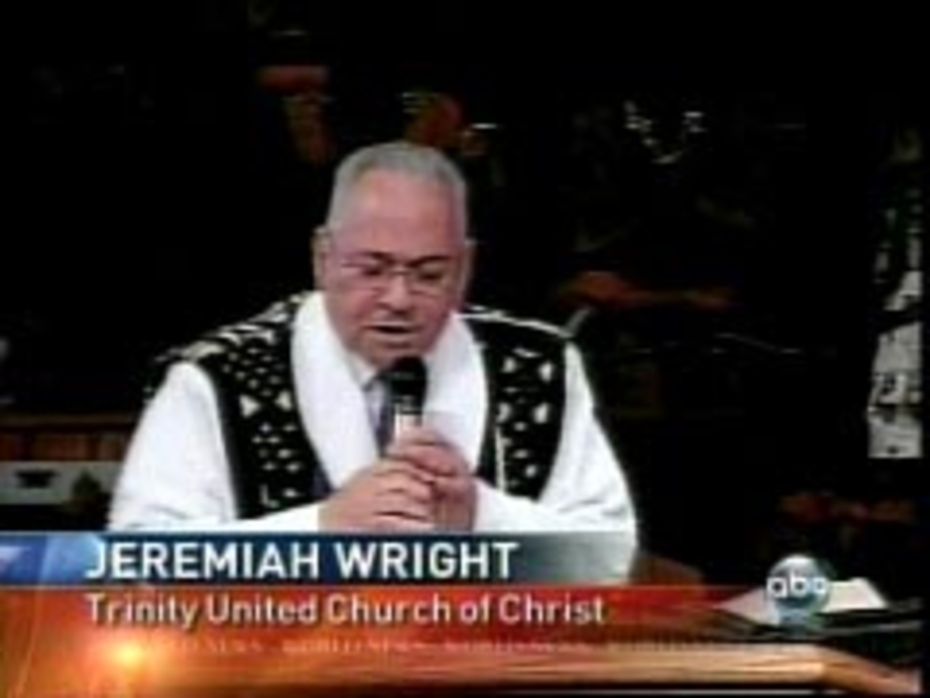
Obama, who had built his campaign around the idea of unity, had attended Wright’s church for two decades, so there could be no suggestion that the Democratic candidate was unfamiliar with his pastor’s rabidly anti-American views. At the time, Obama had only the slightest advantage over New York Senator Hillary Clinton, so any whiff of scandal could lead Democratic voters to abandon the freshman Senator in favor of the former First Lady.
Liberal journalists, however, adored Obama, so over the next several days the media elite became the candidate’s personal rapid-response team. The first line of defense: Wright’s radicalism was a phony issue that voters should ignore. “All this seems to have nothing to do with actual issues that the country is facing, which these candidates should be talking about and we probably should be talking about,” CNN anchor Anderson Cooper groaned on March 13, 2008, a few hours after ABC’s Brian Ross broke the story on Good Morning America.
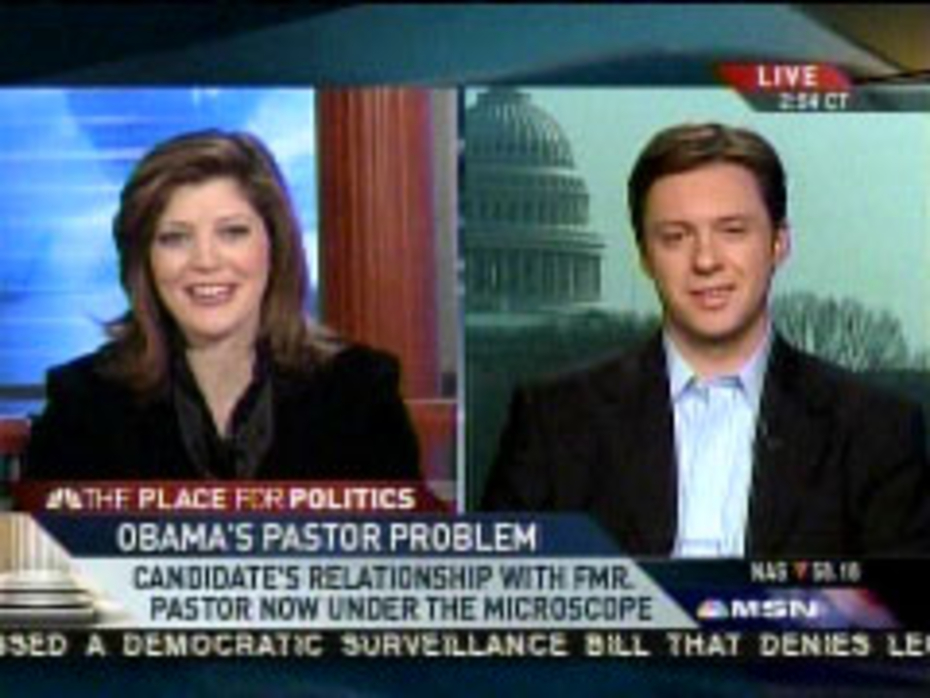
That weekend, the Obama campaign decided that the way to end the discussion of Rev. Wright’s hatefulness was for Obama to start a broader discussion of race in America. The candidate spoke on Tuesday, March 18, 2008, and journalists instantly declared it the best speech of their lifetimes.
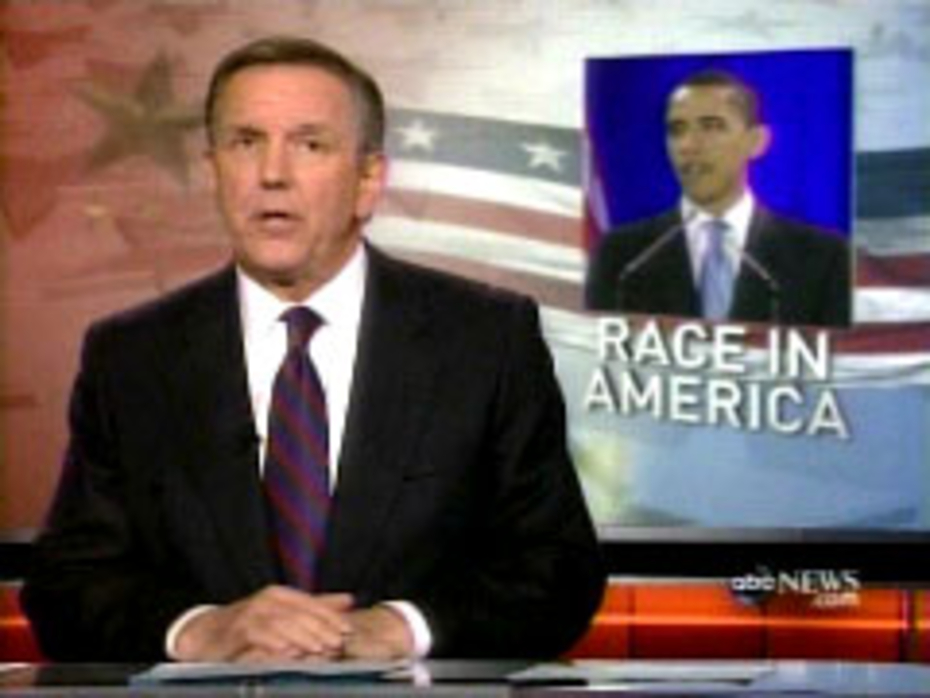
“It was daring,” fill-in anchor Campbell Brown exclaimed on CNN’s AC360. “Quietly, but clearly with great passion, he walked the listener through a remarkable exploration of race from both sides of the color divide, from both sides of himself.”
“It was a very blunt, very honest, very open speech that really put out into the open the furtive conversations and furtive thoughts on both sides of the racial divide that have been going on for generations,” the Washington Post’s Jonathan Capehart opined on NBC Nightly News, calling the speech “a very important gift the Senator has given the country.”
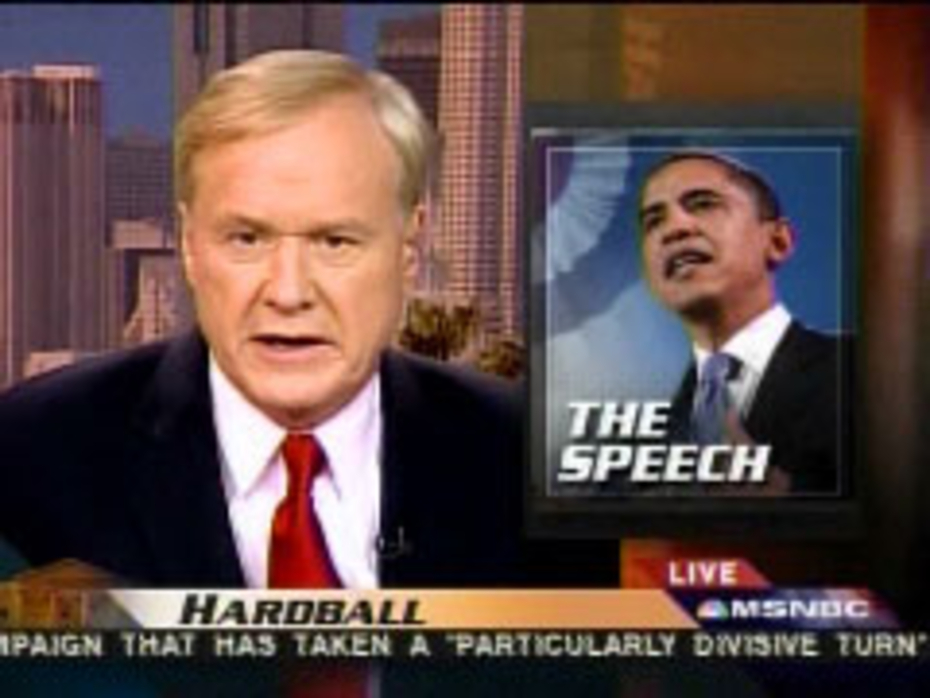
“Most people will never hear the elegant complexity of Obama’s speech in full...though they certainly should,” Time’s Joe Klein enthused in his “Swampland” blog. “It was the best speech about race I’ve ever heard delivered by an American politician.”
The next morning (March 19), ABC’s Stephanopoulos was still thrilled: “As a speech, it was sophisticated, eloquent. Barack Obama is as fine a writer as you’ll find in a politician,” he touted on Good Morning America.
“It’s being called a defining cultural moment in America...It was without question a defining moment in American political history,” CBS’s Maggie Rodriguez echoed on The Early Show.
In that morning’s New York Times, a “news analysis” by Janny Scott suggested the candidate’s remarks belonged on a hypothetical Mount Rushmore of presidential addresses: “In a speech whose frankness about race many historians said could be likened only to speeches by Presidents Lyndon B. Johnson, John F. Kennedy and Abraham Lincoln....”
On Easter Sunday, March 23, the media were still raving about Obama’s greatness. “He gave a great speech. I think it was a brave speech,” ABC’s Claire Shipman applauded on This Week. A few months later, Shipman’s husband (Time correspondent Jay Carney) would go to work for the Obama administration as Joe Biden’s first press secretary.
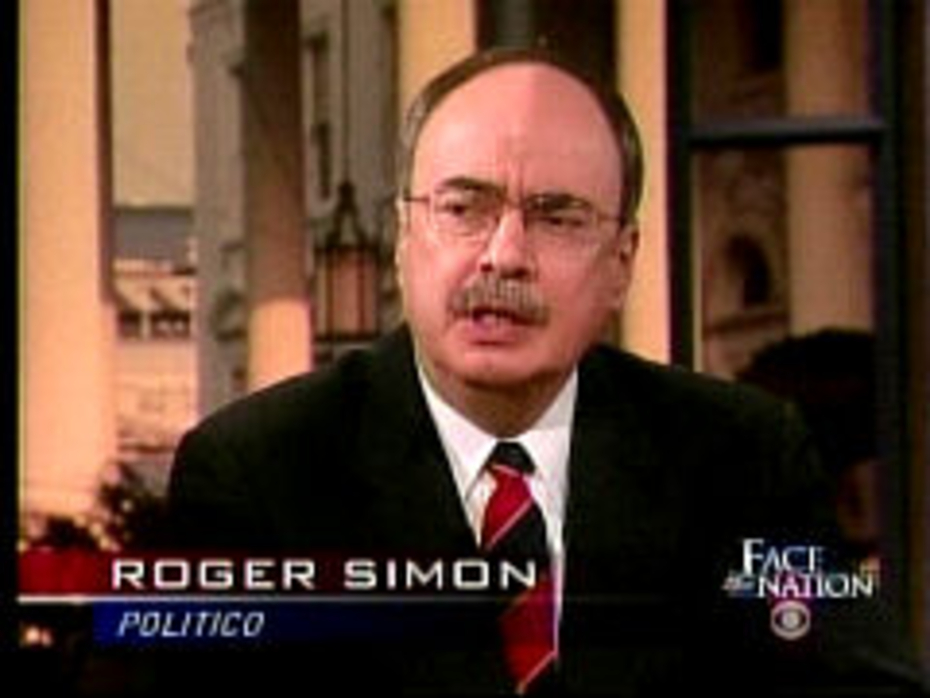
Indeed, a sympathetic media was crucial to the success of Obama’s strategy. Journalists’ glowing coverage transformed an exercise in crisis damage control into a campaign triumph. The episode undoubtedly helped to seal his victory over Hillary Clinton.
All with a little help from his friends.
For more examples from our flashback series, which we call the NewsBusters Time Machine, go here.