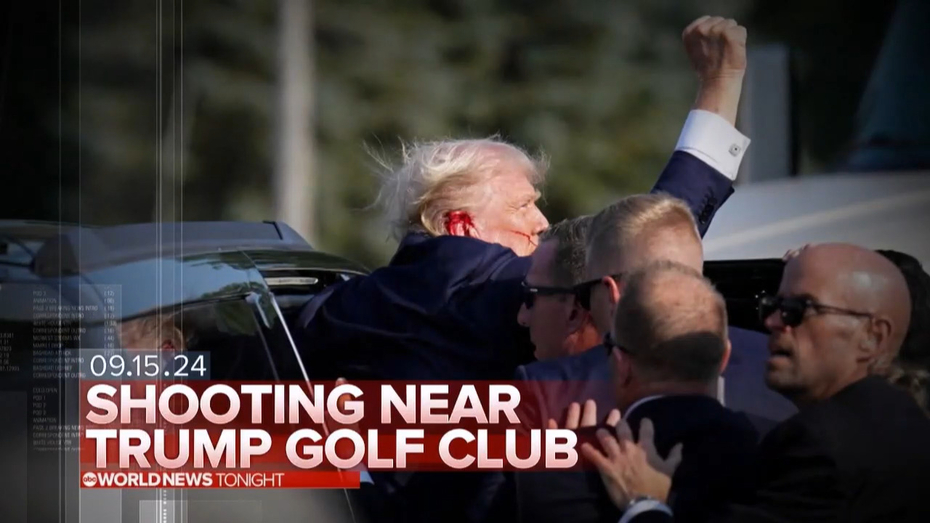
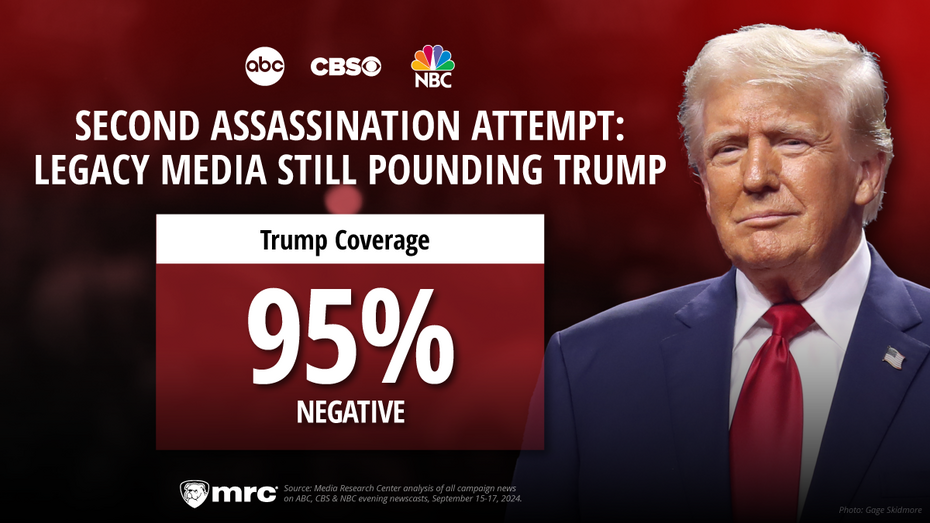
MRC analysts analyzed all 69 minutes of campaign coverage on the evening newscasts from September 15 through September 17. The attempted assassination was by far the dominant story: 48 minutes of airtime, or almost 70% of all campaign news. The networks aired more than 17 minutes of coverage on Sunday night, an additional 22 minutes on Monday and another eight minutes Tuesday evening.
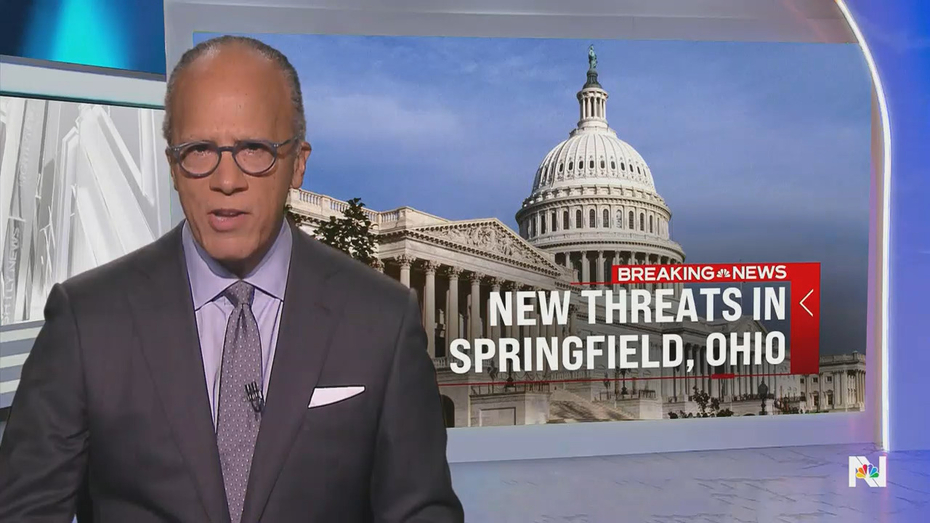
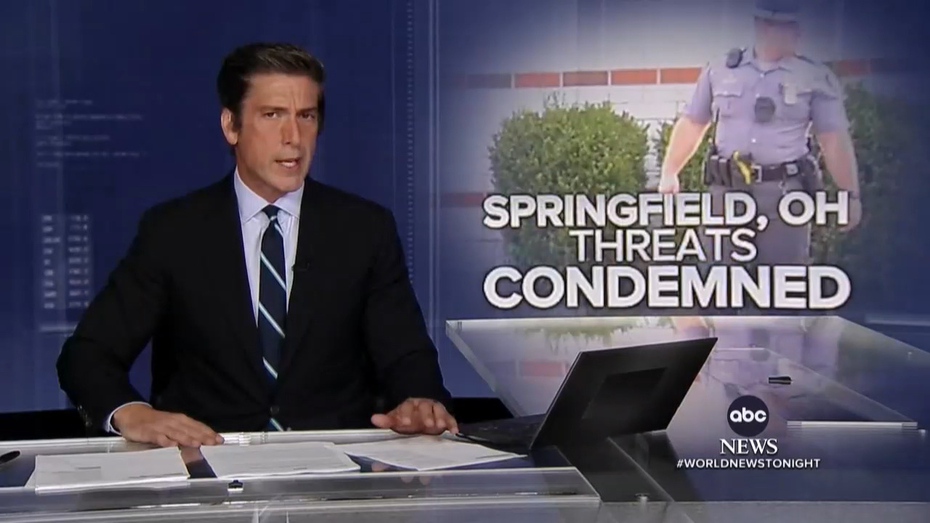
CBS Weekend News reporter Skyler Henry similarly linked Trump to the situation in Springfield, running a clip of Trump from the debate — “They’re eating the dogs” — before scolding: “The city has been thrust into the national conversation on immigration with unsubstantiated claims immigrants are eating pets.”
Not to be left out, ABC’s Perry Russom on Sunday’s World News Tonight also blasted the Republican: “The baseless claim amplified by President Trump at the ABC News debate.”
CBS’s Sunday night newscast also included a taped piece from correspondent Scott MacFarlane, which for no particular reason decided to look at the history of mail-in ballots. He included this gratuitous shot: “It [voting by mail] was the subject of baseless conspiracy theories and false claims of fraud by some critics, including former President Donald Trump and his supporters.”
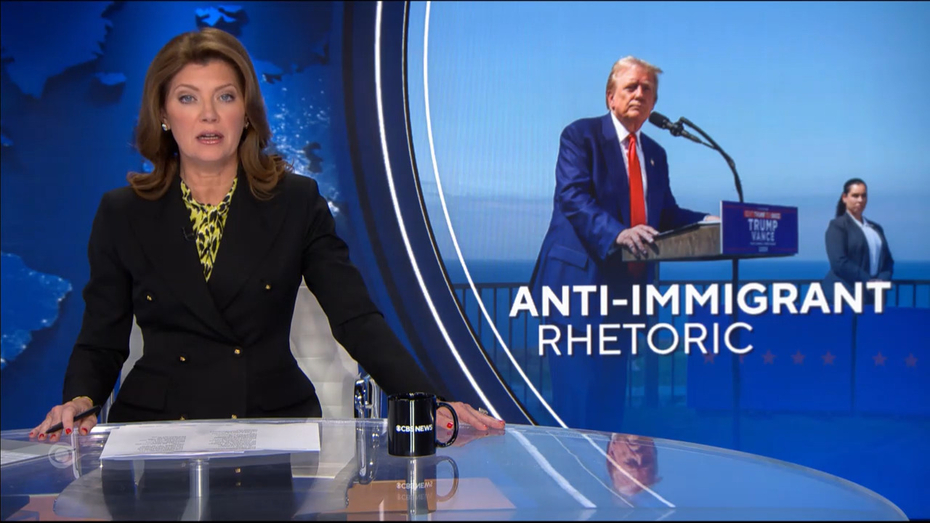
CBS’s Nikole Killion echoed her boss, ruing how “viral unfounded claims about Haitian immigrants stealing and eating pets continue to circulate, amplified by former President Trump and running mate Ohio Senator JD Vance.” She talked to a Haitian restaurant manager in Springfield, Roman Pierre. “He says Trump and Vance should apologize,” Killion relayed.
NBC on Tuesday night also used Harris’s appearance before the National Association of Black Journalists to repeat criticism of Trump’s appearance back in July. Correspondent Gabe Gutierrez reminded viewers that the group “held a contentious session with former President Trump in July where he falsely questioned the Vice President’s racial identity.”
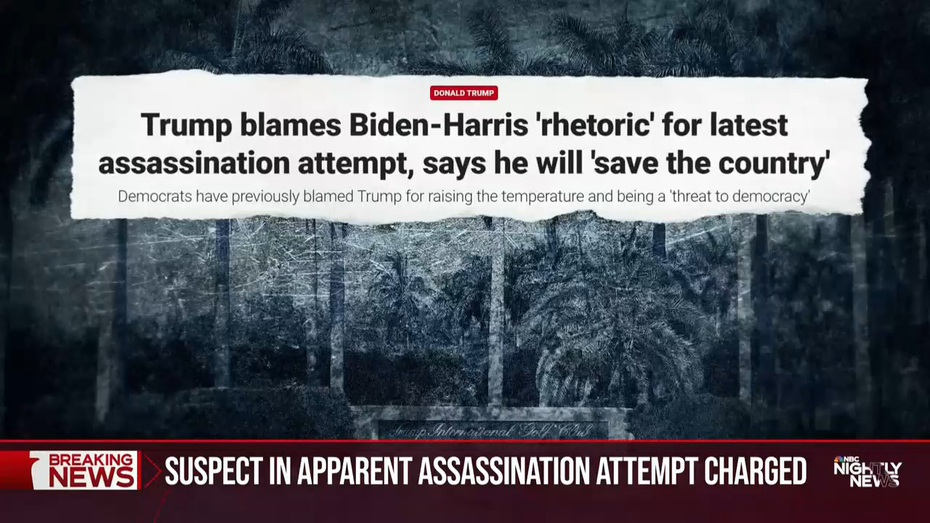
These networks gave relatively little time to the accusation that these attempted shootings might have been influenced by Democratic rhetoric painting Trump as an existential threat. Out of 48 minutes of coverage of the attempted shooting, the three networks spent less than two minutes (1 minute, 53 seconds) on the possibility that Democrats could share the blame.
If Sunday’s shooting is a sign that American political discourse has become too negative and too nasty, then the media coverage immediately following the event was its own cause for concern. It appears not even the second near-death experience of the former President is cause for even a brief cease-fire in the ongoing onslaught of negativity against Trump that marks TV’s 2024 campaign coverage.
++++
METHODOLOGY: To determine the spin of news coverage, our analysts tallied all explicitly evaluative statements about each candidate from either reporters, anchors or non-partisan sources such as experts or voters. Evaluations from partisan sources, as well as neutral statements, were not included.
As we did in 2016 and 2020, we separated personal evaluations of each candidate from statements about their prospects in the campaign horse race (i.e., standings in the polls, chances to win, etc.). While such comments can have an effect on voters (creating a bandwagon effect for those seen as winning, or demoralizing the supports of those portrayed as losing), they are not “good press” or “bad press” as understood by media scholars as far back as Michael Robinson’s groundbreaking research on the 1980 presidential campaign.