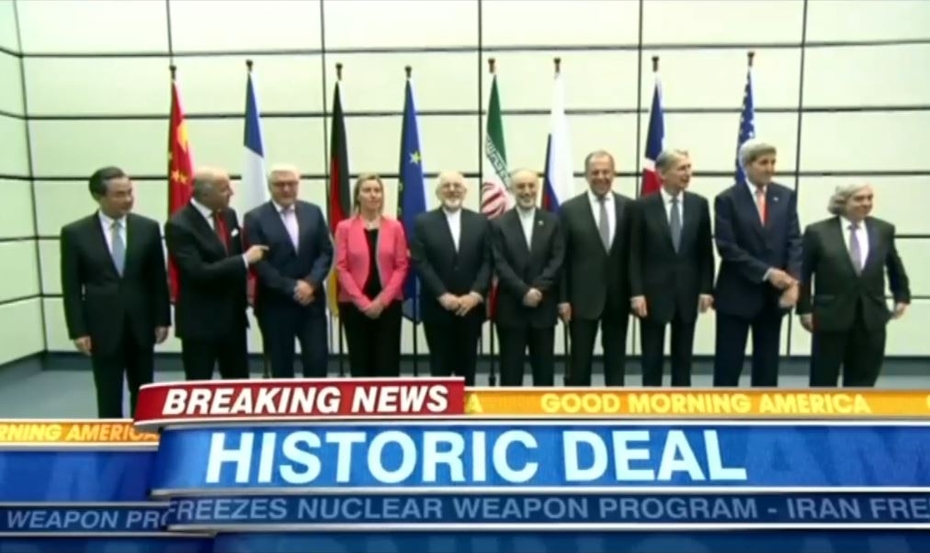
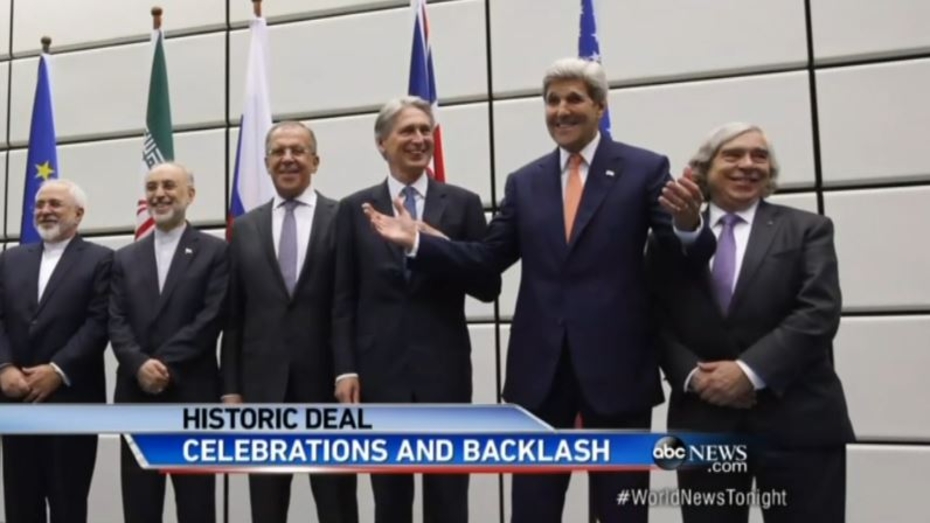
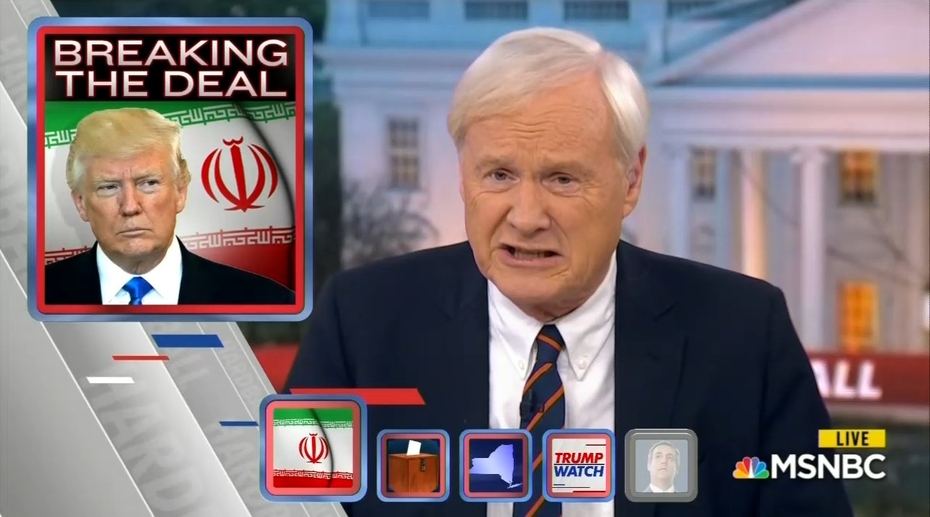
Because Congress would have rejected the deal if it was presented as a treaty, Obama’s “Joint Comprehensive Plan of Action” (JCPOA, in diplomatic-speak) was merely an executive agreement between the nations. That gave Obama’s successor, President Donald Trump, full authority to revoke the deal on his own, which he did in May 2018, triggering fierce media condemnations.
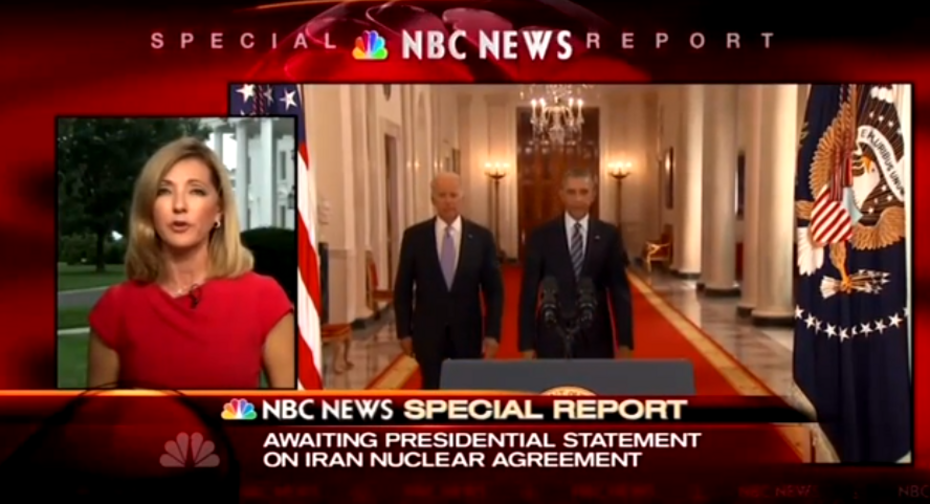
On ABC’s Good Morning America, co-host George Stephanopoulos similarly touted the “big breaking news overnight: After years of negotiations, an historic nuclear deal with Iran.” Back on NBC, White House reporter Chris Jansing proclaimed Obama a winner: “This is a major victory for him, there’s no doubt about that.”
In a post later that day, USA Today (Jeff Locker) also cast the deal as a personal achievement for Obama: “The deal announcement continues Obama's recent winning streak, which includes Cuba and the Supreme Court’s rulings in support of the Affordable Care Act, his signature domestic accomplishment, and same-sex marriage.”
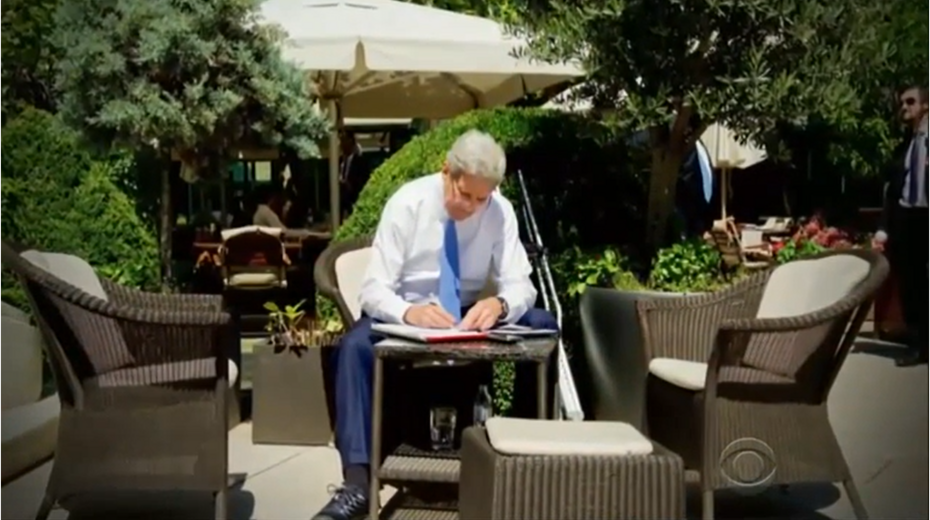
On the CBS Evening News, anchor Scott Pelley displayed a different still photograph, of U.S. Secretary of State John Kerry writing on a legal pad days earlier. “A moment of history,” Pelley pompously pronounced.
An hour later, 9pm host Rachel Maddow mocked congressional critics who, she predicted, would give “excited speeches” even though they “sometimes mix up Sunni and Shia and Iraq and Iran.” Yet, she claimed: “the vast majority of the American people continue to say they actually want this deal, they like this deal.”
If the deal worked, she ridiculously hyped, “it will be the major foreign policy achievement, not only of this presidency, but of this American generation. At which point, people in the not too distant future will look back at this presidency, they’ll look back at this president and they’ll say, ‘Of course they gave him the Nobel Peace Prize. Of course they did.’”
[The quote was so fawning, it earned Maddow a nomination in the MRC’s 2015 DisHonors Awards, in the highly-competitive “Puppy Love Award” category.]
The next morning, the media’s excitement persisted. On NBC’s Today, Peter Alexander beamed about a “legacy-defining deal for President Obama,” while on ABC’s Good Morning America, reporter Amy Robach pretended as if Iran was some kind of a free society: “There were celebrations on the streets of Tehran. People there welcoming the historic agreement.”
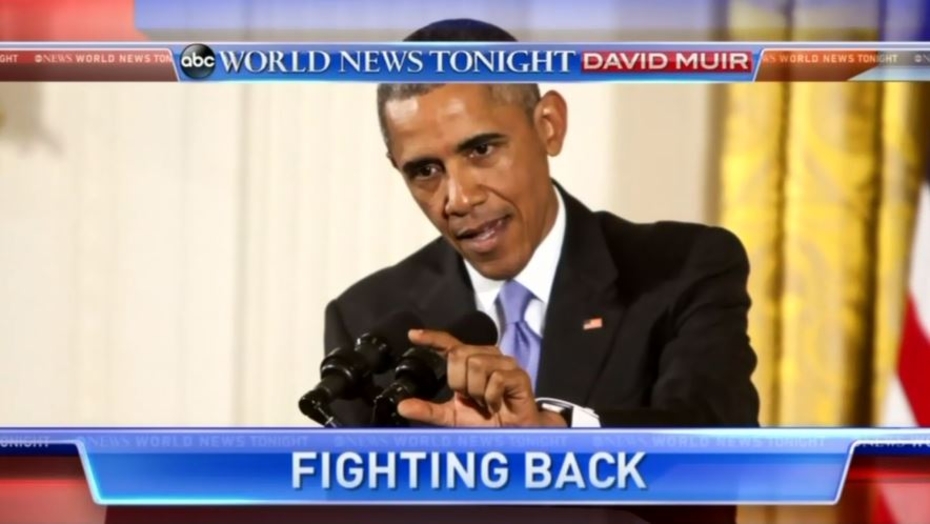
MSNBC 10pm host Lawrence O’Donnell began his show that night by declaring had Obama “demonstrated more confidence at the podium than any president in the history of televised presidential press conferences, more even than Kennedy.”
Longtime CBS Evening News producer Dick Meyer, in a July 16 column for Scripps, insisted the Iran deal was “a momentous initiative” and lectured what he evidently considered an ungrateful public: “Americans are lucky to have Barack Obama as president....It would be a morale booster and a sign of civic maturity if more Americans appreciated what an exceptional president they have right now.”
In spite of the media’s thrills and tingles, the deal was quite unpopular — Americans presumed Iran would cheat, secretly working on its nukes while the ayatollahs pocketed the planeloads of cash we sent over. A Quinnipiac poll taken July 23-28 showed more than twice as many people opposed the deal (57%) than supported it (just 28%).
When it came time for Congress to vote a couple of months later, the vote was lopsidedly against Obama’s deal. In the House, there were 269 votes disapproving of the arrangement (244 Republicans plus 25 Democrats), vs. a rump of 162 Democrats who voted in favor. A bipartisan majority (58) in the Senate also disapproved, but fell two votes short of the 60 votes required to break a Democratic filibuster engineered to spare Obama the embarrassment of losing another vote.
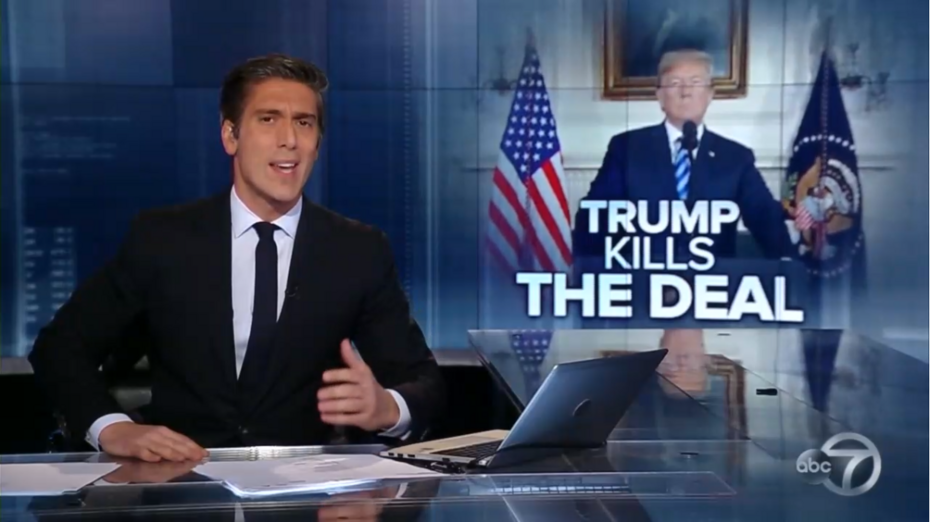
As much as the media saluted Obama’s unilateral executive actions, they deplored Trump’s. NBC’s Lester Holt cast it as “the U.S....essentially reneging on the nuclear deal.” On World News Tonight, ABC’s Terry Moran found America’s allies “dismayed and bewildered” because “every other country that signed this deal think this deal is working.”
“Across Europe, there’s a chill tonight that the U.S., under President Trump, may not be a reliable partner anymore,” NBC’s Richard Engel relayed on Nightly News.
Apparently failing to learn from history, the Biden administration has spent the past two years attempting to reach a new deal with the Iranian dictatorship, even as that government killed hundreds of the country’s own civilians seeking basic human rights. And just this week, a Dutch report concluded that Iran has continued — and even accelerated — its weapons program.
But if the Biden administration somehow achieves an Iran Deal 2.0, the lessons of eight years ago suggest the liberal media will love it — even if the public and Congress doesn’t.
For more examples from our flashback series, which we call the NewsBusters Time Machine, go here.