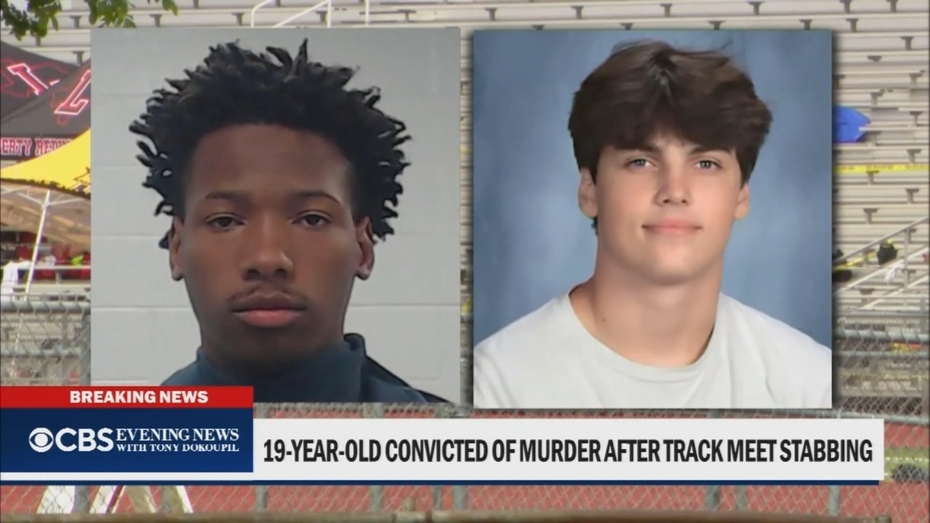
The story returned briefly when the eight-day trial ended. There were many witnesses to the deadly violence, so the jury reached a verdict in three hours, finding Anthony guilty of manslaughter. He was sentenced to 35 years in prison.
The next morning, a front-page story in The Washington Post vaguely brushed over the trial’s ending to launch a lecturing report on how racially backward it was in Frisco (and America). This was the headline deck in the paper:
A Texas city was already struggling.
Then came a bitter murder trial.
Frisco's growth -- and a partisan election season -- have fueled racism and bigotry
This shifted the moral outrage from the murderer to the people who were “dividing” the community by protesting the murder.
Post reporter Molly Hennessey-Fiske, whose beat is the “red states” (and how they’re backward), spent most of the front-page portion of the story lamenting that “right-wing provocateur Jake Lang” came to Frisco to exploit the case to spread racial divisions. Anthony’s violence was put aside, so The Post could underline Lang “first gained notoriety as part of the mob that stormed the Capitol on January 6, 2021.”
The Post also underlined a candidate for mayor there who compared immigrants to “rats” and called Islam a “terrorist group,” and some locals tried to block construction of a new Hindu temple and a mosque. Then she found a black man to ask, “How can they reach a verdict like this in a case like this?....Americans have shown they don’t care about black people.” He added that he felt “a loss of faith in America.”
So one of America’s most prominent newspapers is implying it’s racist to consider the evidence and find a black teenage murderer guilty of killing another teenager. You can agree with the paper's source who says “there’s nothing to celebrate here,” but that doesn’t mean the angry debate around the murder is worse than the original crime.
Nowhere in this article did Ms. Hennessey-Fiske remind viewers that the Anthony family raised over $600,000 on the crowdfunding site GiveSendGo, and then relied on a court-appointed defense attorney at trial. Why would people crowd-fund a killer? Reporters didn’t want to dwell on those questions.
Instead, the narrative was all about “diversity” and its opponents. A Methodist minister with the local “Interfaith Alliance,” Billy Echols-Richter, complained that “people who have become very afraid, particularly white nationalists in our community,” are ruining things. In large print, The Post quoted the hyphenated reverend:
“What’s at stake is whether we’re going to continue to be a world-class city or pull back and be known as a city that doesn’t believe in diversity.”
Hennessy-Fiske also reminded readers: “Last month, anti-immigrant rhetoric helped extreme right-wing candidates win Texas GOP runoffs for U.S. Senate, attorney general, and even railroad commissioner.” Activist Neha Suratran added “now that MAGA extremism is becoming the norm, people are more comfortable being racist in person and online.”
Subscribers to The Washington Post must love this aggressively progressive content, feeling so satisfied that they are the compassionate backers of peace and diversity, and there are somehow no “left-wing provocateurs” and “extremists” exploiting racial division in America.