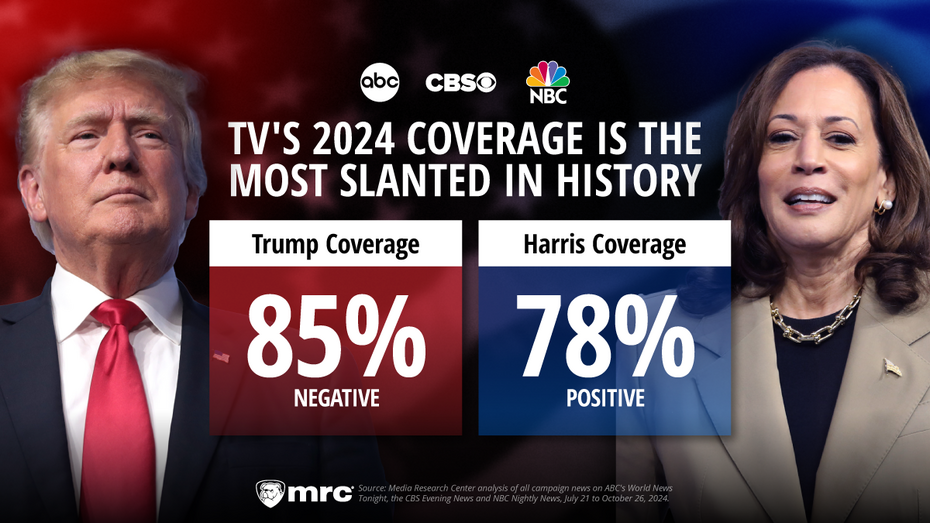
The difference in coverage between the two candidates is far greater than in 2016, when both Trump and then-challenger Hillary Clinton received mostly negative coverage (91% negative for Trump, vs. 79% negative for Clinton). It’s even greater than in 2020, when Joe Biden was treated to 66 percent positive coverage, vs. 92 percent negative for Trump.
For this report, MRC analysts reviewed all 660 stories about the presidential campaign that aired on the ABC, CBS or NBC evening newscasts from July 21 (the day President Biden ended his candidacy) through October 25, including weekends. Total coverage added up to 24 hours, 15 minutes, almost evenly divided among the three networks: 8 hours, 20 minutes on NBC; 8 hours, 13 minutes on CBS; and 7 hours, 42 minutes on ABC). Details:
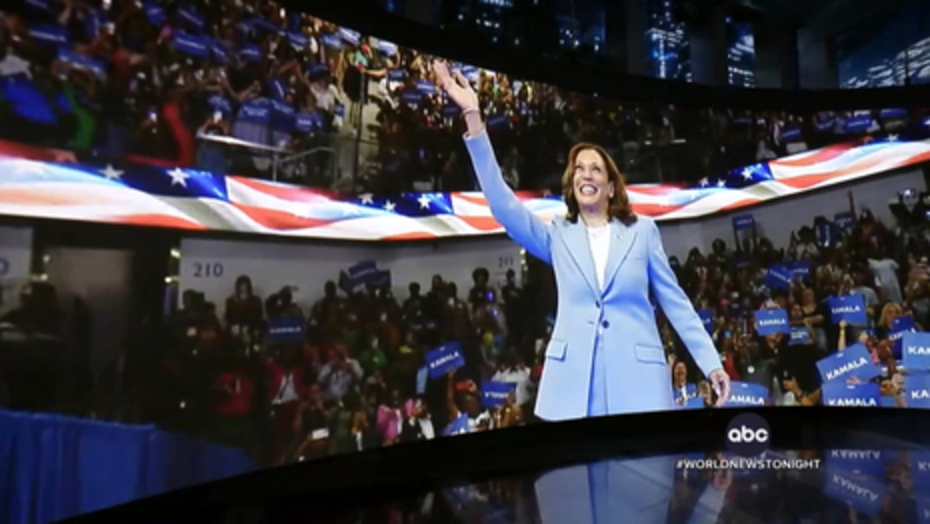
From the date Harris entered the race on July 21 through September 10, she received 353 minutes of network evening news coverage, virtually identical to the 355 minutes given Trump during the same period. Since then, however, TV has focused nearly twice as much attention on Trump as Harris: 398 minutes for the former President, compared to just 230 minutes for the Vice President.
The additional airtime for Trump was hardly meant as a gift. Instead, it reflected the networks’ intensive focus on Trump controversies, providing opportunities for negative news coverage.
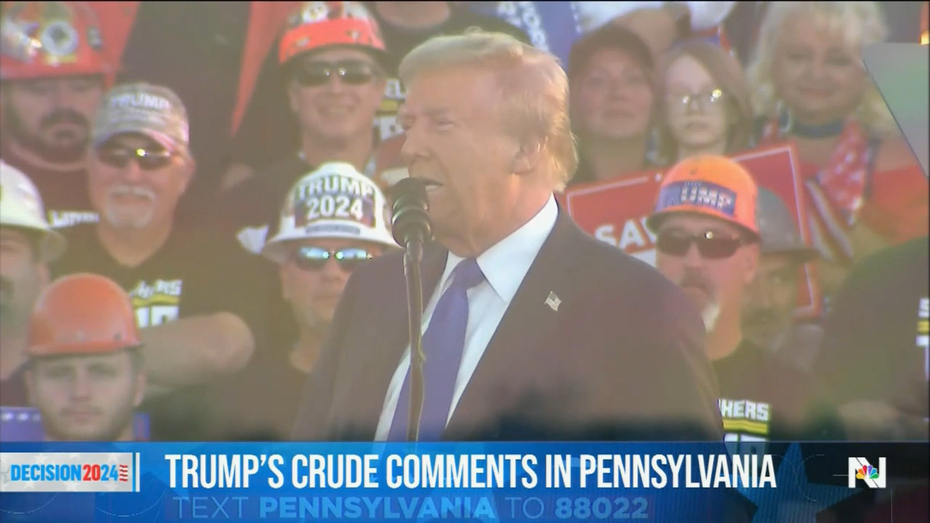
Of the 753 minutes of evening news airtime devoted to Trump since July 21, nearly one-third (230 minutes, or 31%) has been about personal controversies. This compares to barely five percent of Harris’s airtime (28 minutes, out of a total 583 minutes of coverage) spent on similar topics.
The list of top controversies reflects liberals’ main talking points against Trump. Garnering the most airtime: the January 6, 2021 attack on the Capitol, including Trump’s insistence that the 2020 election was rigged (47 minutes). Another 30 minutes was spent amplifying claims that Trump is a “danger to democracy” and/or a “fascist” who would use the military to persecute his opponents.
Harris faced no such onslaught. Over fourteen weeks, evening news viewers heard a scant 5 minutes, 22 seconds of GOP criticisms that she’s too liberal, barely one-sixth the airtime spent on the claim Trump is a “fascist.” None of this coverage included any criticisms of Harris from either network reporters or nonpartisan sources.
In July and August, the networks spent 7 minutes, 8 seconds thrilling over the prospect that Harris would make history as the first woman President. But in October, as polls began to trend in Trump’s direction, the networks spent 3 minutes, 5 seconds worrying that voters might be reluctant to choose Harris because of her gender.
Some anti-Harris topics have been completely ignored. MRC’s Geoffrey Dickens detailed five stories — including questions about whether portions of Harris’s 2009 book were plagiarized, her continued advocacy for taxpayer funding for sex reassignment surgery for prison inmates, and the story that her husband, Doug Emhoff, may have hit his girlfriend in the face while in France in 2012. None have been mentioned on any of the Big Three evening newscasts during our study period.
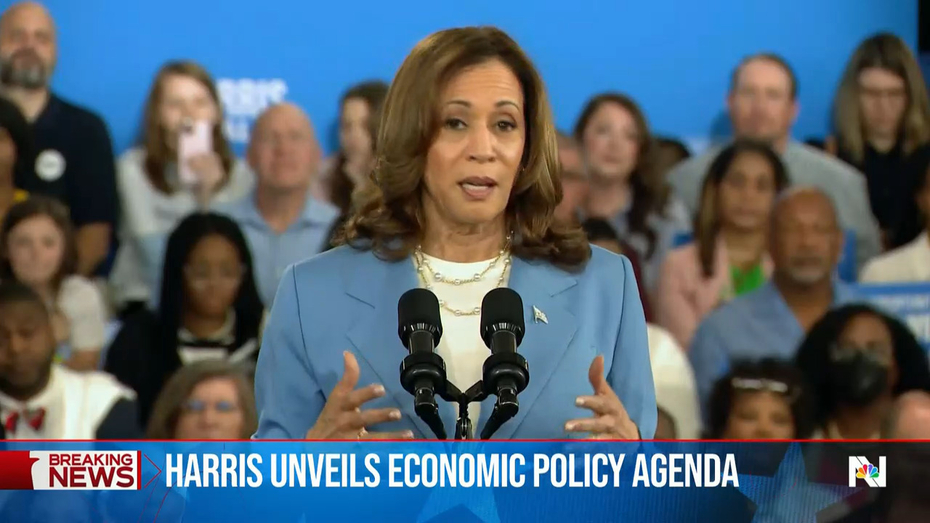
Three issues received the most coverage: immigration (100 minutes); the economy (87 minutes) and abortion (44 minutes). On the economy, Trump’s coverage was actually slightly positive (55%, vs. 45% negative), vs. 55% negative for Harris. “I would like to see a president that really supports employees,” one Trump voter explained on the October 4 CBS Evening News.
On the August 16 NBC Nightly News, another voter blamed Harris (and Biden) for high prices. “Our food costs here are incredibly high,” he complained.
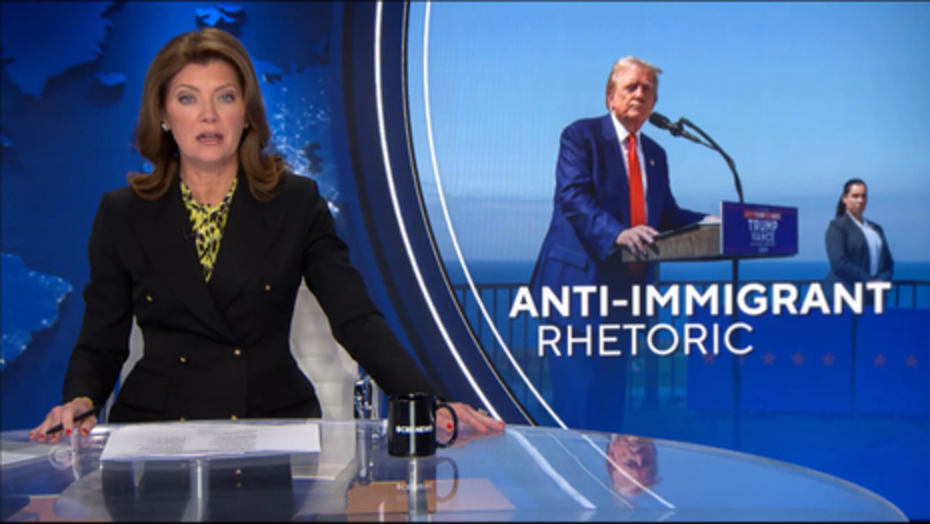
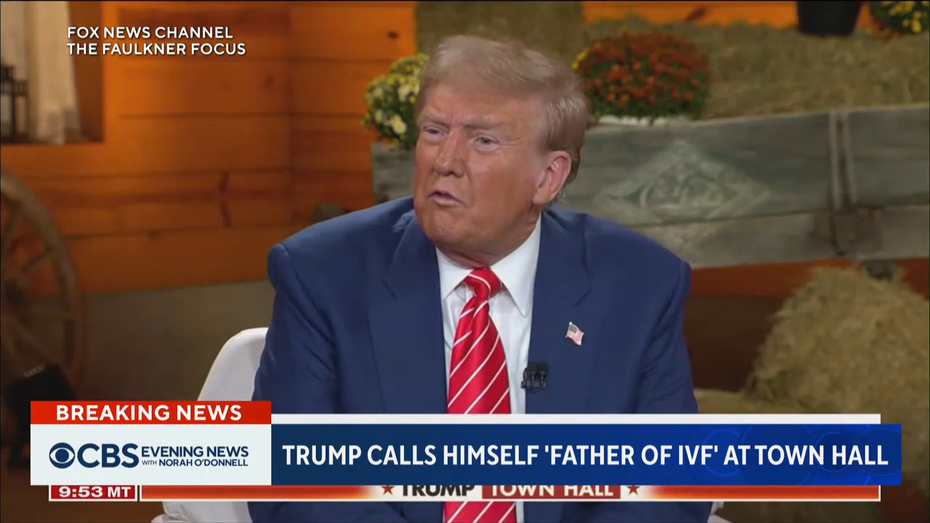
The other major issue, abortion and IVF. Here, the networks awarded Harris the best press (73% positive), while trashing Trump (92% negative). “She speaks so eloquently about reproductive freedom,” one voter enthused on the August 24 Nightly News. Another quickly chimed in: “It makes me want to work harder, because she is.”
■ Delighted by Harris, Deploring Trump: Most of the evaluative statements network news viewers heard about the Vice President weren’t about any specific policy or controversy, and nearly all of these general evaluations (90%) were positive, celebrating the candidate without regard for what she would do as president.
“Having someone who looks like you, who has the same values as you, on the ticket, is exciting,” one college student proclaimed on the September 12 NBC Nightly News.
“I haven’t felt this kind of excitement since Obama,” a voter proclaimed on the August 10 CBS Weekend News. Another fan of Harris popped up on the August 18 World News Tonight: “We’re so excited about the Harris/Walz ticket and the hope and the joy.”
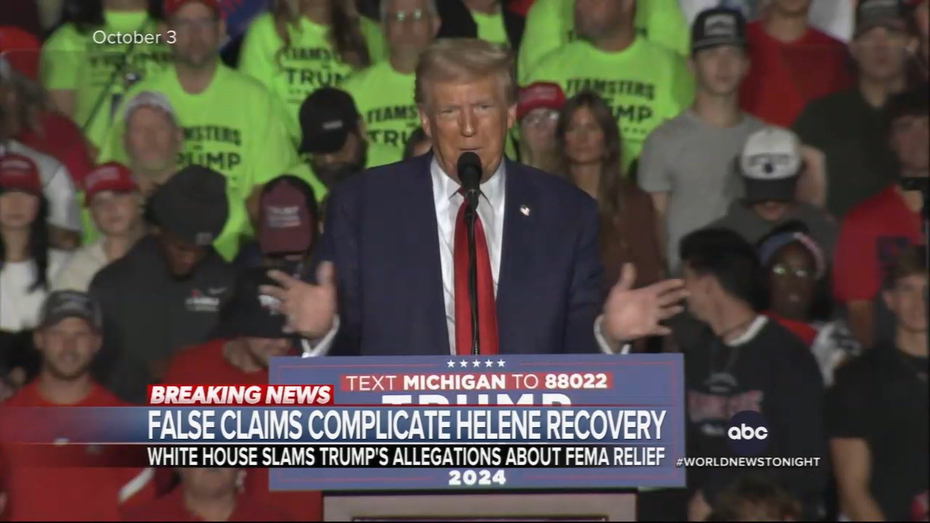
While the networks often used voters to relay positive sentiments about Harris, they had no problem condemning Trump themselves. “Former President Trump and some of his allies keep pushing false claims,” declared NBC correspondent Gabe Gutierrez on October 8.
Add it all up, and the media coverage of the past three months is more lopsided than that of any presidential election in the modern media age. This month, Gallup reported that only a meager 31% of Americans — and just 12% of Republicans — said they had either “a great deal” or “a fair amount” of trust in the media’s ability to report the news “fully, accurately and fairly.”
So if Donald Trump regains the White House next week, the media’s campaign against him will have accomplished nothing, except the further erosion of their own reputations.
+++++
METHODOLOGY: To determine the spin of news coverage, our analysts tallied all explicitly evaluative statements about each candidate from either reporters, anchors or non-partisan sources such as experts or voters. Evaluations from partisan sources, as well as neutral statements, were not included.
As we did in 2016 and 2020, we separated personal evaluations of each candidate from statements about their prospects in the campaign horse race (i.e., standings in the polls, chances to win, etc.). While such comments can have an effect on voters (creating a bandwagon effect for those seen as winning, or demoralizing the supports of those portrayed as losing), they are not “good press” or “bad press” as understood by media scholars as far back as Michael Robinson’s groundbreaking research on the 1980 presidential campaign.