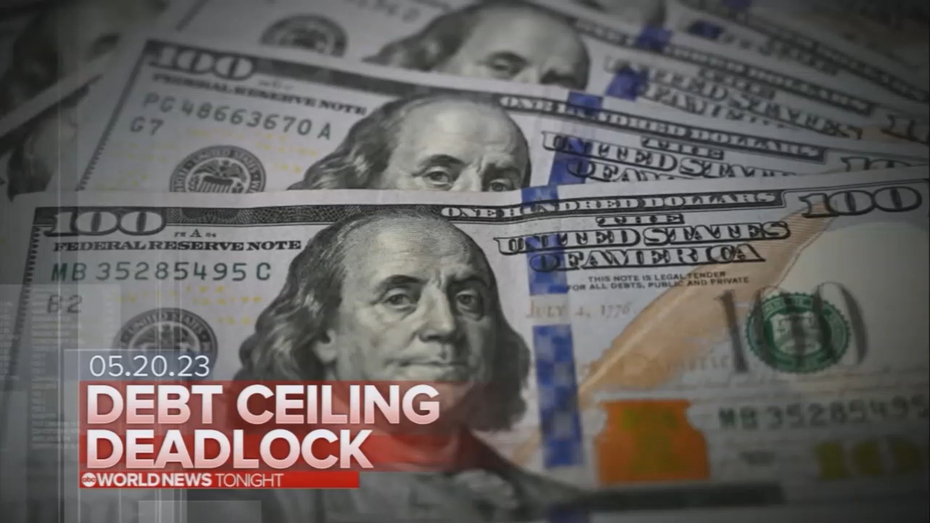
While warning of the real dangers of default, the networks pretty much ignored the dangers of the rising national debt, and painted Republican proposals to trim spending as extreme attempts to “gut” or “slash” liberal programs. The Media Research Center analyzed all 74 ABC, CBS and NBC evening news stories that discussed the debt ceiling from January 1 through May 27, the night that the deal was struck. Among the key findings:
■ Blaming Republicans: On Friday, NBC’s political team flatly declared in their “First Read” newsletter that “House Republicans have won the messaging war in the debt-ceiling debate,” pointing to a Fox News poll that showed slightly more voters blamed President Biden for the impasse (47%) than blamed the GOP (44%).
If true, that’s in spite of one-sided evening news coverage that hammered the idea that any default would be due to Republican zealotry. Out of 44 soundbites from anchors, reporters and a handful of nonpartisan sources, 21 blamed Republicans, 23 blamed both sides, and zero blamed Democrats.

Democrats were portrayed as reasonable in the face of extreme Republican demands: “With the GOP refusing to cut defense spending or accept any kind of tax changes like closing loopholes,” NBC’s Garrett Haake spun on May 23, “there’s just not that much left to cut that the White House and Democrats can support.”
The original GOP plan — before it was diluted in negotiations with the White House — would have pared that back to just under $1.5 trillion next year, still significantly higher than pre-COVID levels.
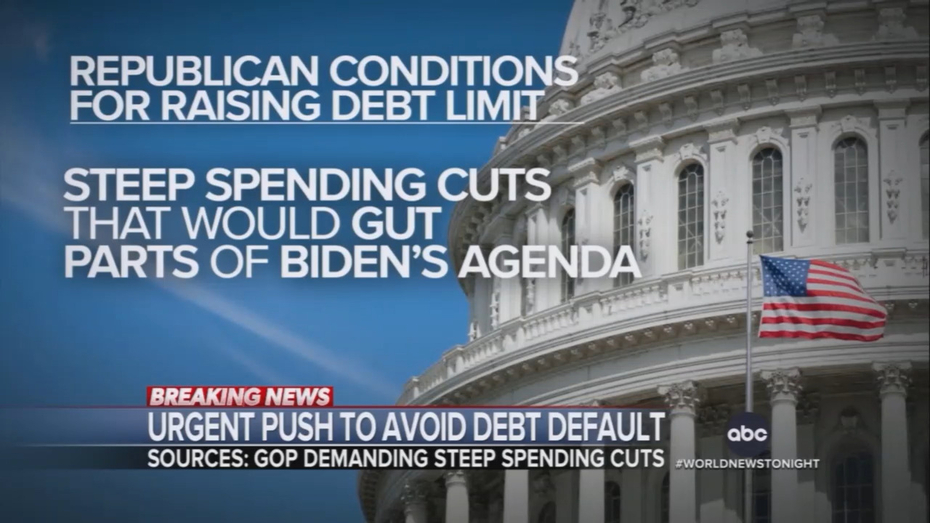
Yet in nearly one-fourth of stories (17 out of 74), reporters cast this proposal as extreme, using terms such as “deep,” “steep,” “slash” and “gut” to characterize the Republican cuts.
On May 9, for example, ABC’s Mary Bruce described the GOP plan as brutal: “deep spending cuts that would gut his [President Biden’s] agenda, slashing social spending and environmental programs.”
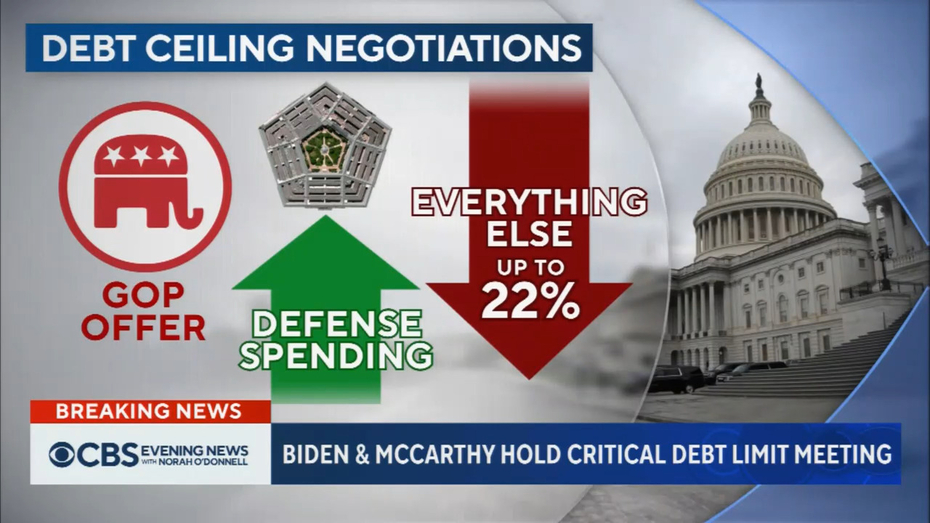
Even as negotiators closed in on a deal, reporters characterized Republicans as eager for more “slashing.” NBC’s Peter Alexander on May 25: “Key conservative Republicans who have the power to derail any deal are urging McCarthy to hold out until Democrats slash more spending.”
This “extremist” language is a club wielded only against budget-cutters, however. A previous MRC study found no such language deployed against the spend-a-holics as Congress passed $1 trillion (and greater) spending bills over the past five years. Instead, the network evening newscasts chose to amplify complaints that these enormous bills were actually too small, rather than dangerously large.
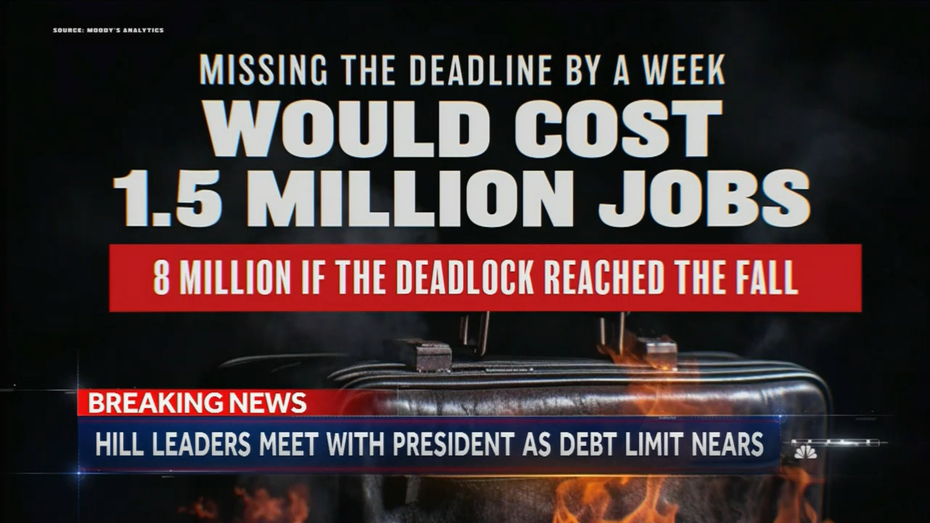
“A default, top economists say, could lead to financial disaster,” CNBC’s Kayla Tausche relayed on the May 9 NBC Nightly News. “Missing the deadline by a week would cost 1.5 million jobs, soaring to eight million if the deadlock reaches the fall.”
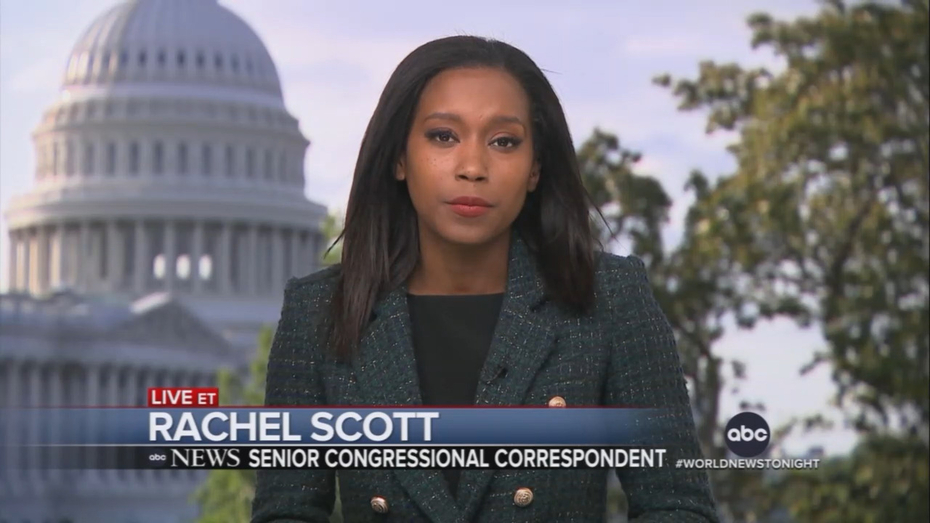
“Millions of Americans are caught in the middle, with a potential threat to Social Security, Medicare and veterans benefits,” ABC’s Elizabeth Schulze warned on May 21. Reporters listed 109 specific examples of fearsome hardships that would follow a default, including a recession, loss of Social Security checks, and troops not getting paid. “The consequences of a default would be dire,” ABC’s Rachel Scott predicted on May 15.
There’s no question that a default, if realized, would inflict severe damage on the economy, yet the underlying danger of the exploding national debt — which now exceeds the size of the entire U.S. economy — was barely mentioned. In roughly 110 minutes of coverage, evening news viewers heard only 52 seconds about the national debt — a measly 0.78% of airtime.
+++++
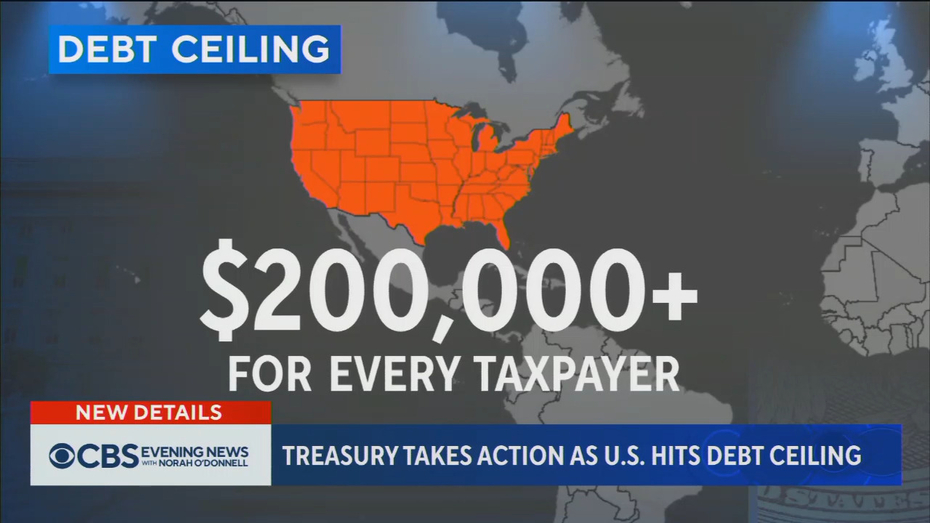
The national debt stood at $27.8 trillion when Biden was inaugurated on January 20, 2021. In just the last two years, that figure has swelled to $31.4 trillion — in spite of record tax revenues pouring into the federal treasury last year. When the debt ceiling is lifted in the coming days, expect that number to jump significantly higher.
One reason for such out-of-whack finances: news coverage that fails to act as a check on big spending politicians, while those who push for restraint and responsibility are criticized as troublemakers. Imagine if it was the spend-a-holics in Congress who had to defend their damaging conduct, rather than those advocating spending restraint.