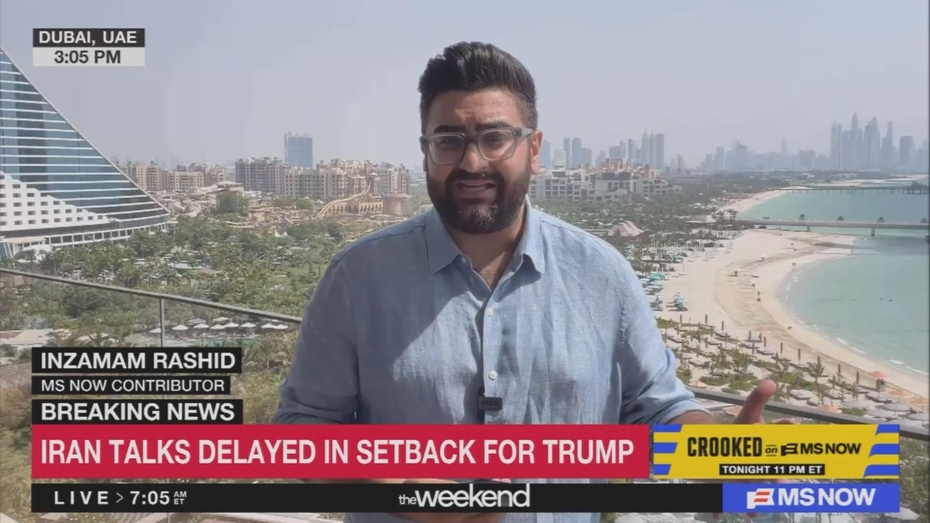
MS NOW contributor Inzaman Rashid, reporting from Dubai, piled on. He declared that “on day one” of expected talks, “we failed at the first hurdle as a result of those Israeli strikes inside of Lebanon.” Rashid emphasized Iranian anger over the strikes — a supposed “red line” — and claimed they sent negotiations “back to square one.”
In all of the coverage of war between Israel and Lebanon, our media make it sound like it's incredibly one-sided, reporting on Israeli attacks and ignoring the attacks on Israelis. Rashid framed the situation entirely from Iran's perspective. He cited his Iranian sources saying "Iranians are angry as a result of those Israeli strikes" and it’s now “difficult to see how talks can get underway” while “Israeli hostilities continue in Lebanon.”
MS NOW: Israeli Strikes = Roadblock to Peace. Hezbollah Killing IDF Soldiers? Crickets pic.twitter.com/jYjqAQkIOB
— Mark Finkelstein (@markfinkelstein) June 20, 2026
Rashid and Capehart said nothing about why Israel struck: Hezbollah reportedly hit an Israeli tank with an explosive, killing four IDF soldiers — a direct provocation by Hezbollah, Iran’s cat’s paw proxy that Tehran arms, funds, and controls.
If Iran wanted the fighting to stop, it could order its Lebanese proxy to cease attacks on Israel.
Instead, Hezbollah keeps launching, and MS NOW blames Israel for responding
Here's the transcript.
MS NOW
The Weekend
6/20/26
7:01 am EDTJONATHAN CAPEHART: We begin this hour with a roadblock to a permanent peace deal with Iran. This morning, Israeli airstrikes in southern Lebanon killed at least five people, according to Lebanese state media, just hours after a ceasefire took effect between Israel and Hezbollah.
It comes a day after that conflict delayed an expected first day of talks to reach a final peace deal between the United States and Iran.
. . .
Joining us now, MS NOW contributor Inzamam Rashid in Dubai. Inzamam, the big question here is, one, what are you hearing there in the region, and two, the impact of the ongoing back and forth between Israel and Lebanon. How will that, might that derail what's, what the Trump administration is hoping will happen in terms of the memorandum of understanding?
INZAMAM RASHID: Well, let's start with that point, guys, because it's crucial. Remember, point one of the memorandum of understanding is that fighting ends, including Lebanon. And so on day one, when peace talks were supposed to take place yesterday, these negotiations and all the technical issues in that agreement, we failed at the first hurdle as a result of those Israeli strikes inside of Lebanon.
Israel saying that they were targeting Hezbollah officials, and the Lebanese Health Ministry saying that innocent civilians were killed as a result of those strikes.
So now we're in a situation where the Iranians are angry as a result of those Israeli strikes inside of Lebanon. It's been their red line all along. They said that in order to get the MOU signed, the fighting had to end inside of Lebanon. It did for a few days. We got the MOU signed. There was this big fanfare from President Trump of signing it inside the Palace of Versailles. And then now we essentially go back to square one because of the fighting.
Now, my sources inside Iran have told me that they are incredibly angered. Yesterday, one senior official who is part of the talks, he said to me that it's difficult to see how talks can get underway around the MOU whilst Israeli hostilities continue in Lebanon.